Skip to content

The civic reporting layer for Canadian cities

SolveCanada

What this is

The street does not end at the city line.

Solve Canada connects residents in seven Ontario cities to the people responsible for fixing what they see. A photo, a report, and an update when the work moves — without a five-minute form in the way.

Every city keeps its own name and front door. Residents keep something just as important: a familiar way to help wherever they live.

The problem

Canada made reporting a local puzzle.

Canada ended up with a different reporting system in every city, not because anyone designed it that way, but because contracts and projects stopped at municipal lines. Moving a few kilometres can mean finding another website, learning another form, and starting over.

The form takes real time to fill out, more than most people have to spare for a pothole. So nothing gets reported, and the city fixes what gets reported. You can see where this goes.

Singapore built OneService for the opposite idea: one familiar interface across the country. Solve Canada is that familiar interface, built for Canada, and each city keeps its own name and its own services.

Live now

Seven local names. One familiar way through.

Each city keeps the identity residents know. The experience underneath stays coherent when the boundary changes.

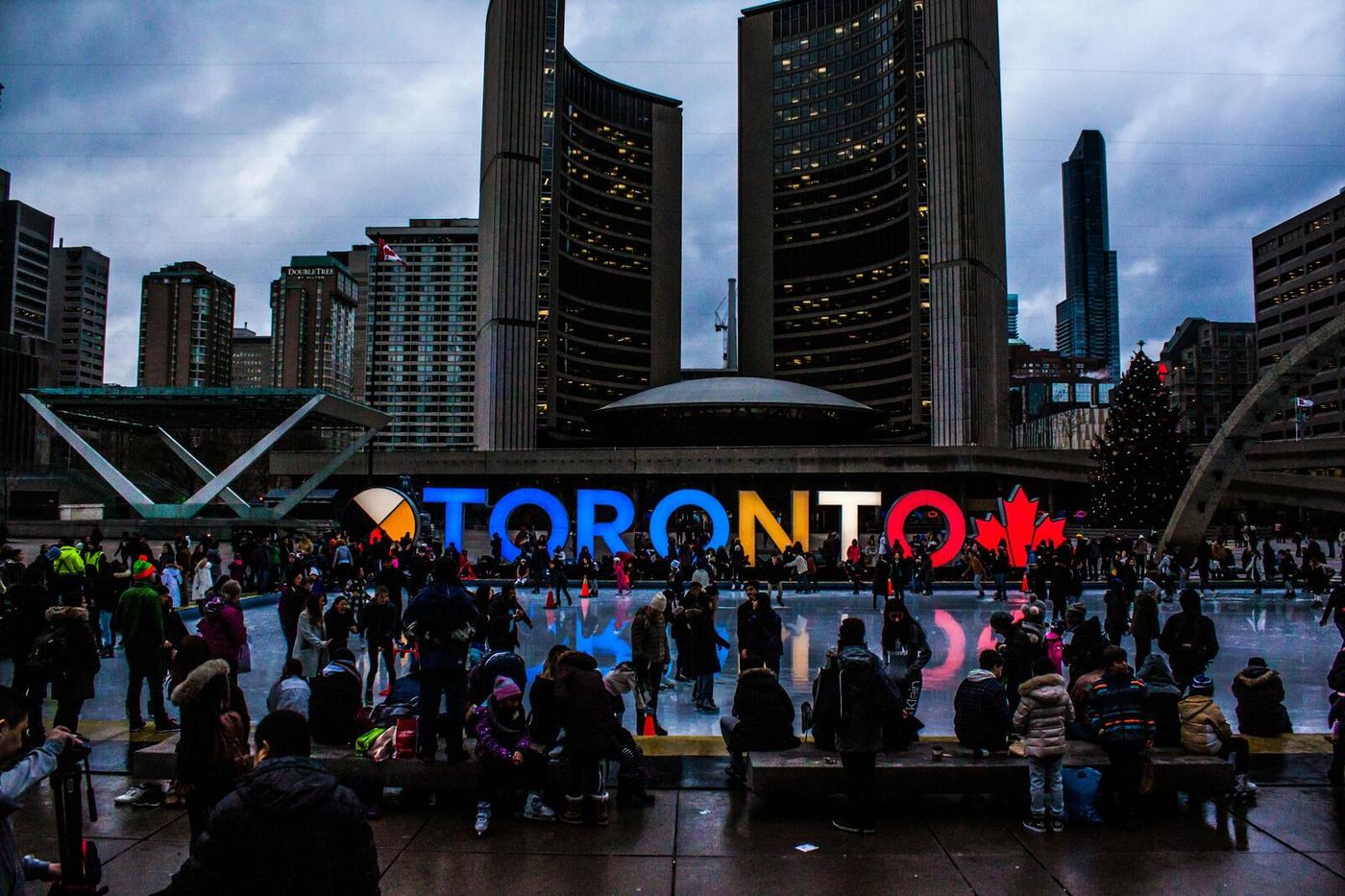
Toronto, Ontario

SolveTO

This is where Solve Canada began, with one resident, one pothole, and no fast way to say so. SolveTO runs alongside Toronto's 311, not instead of it, so a report reaches the ward councillor and the resident hears back once the work is done.

Visit SolveTO

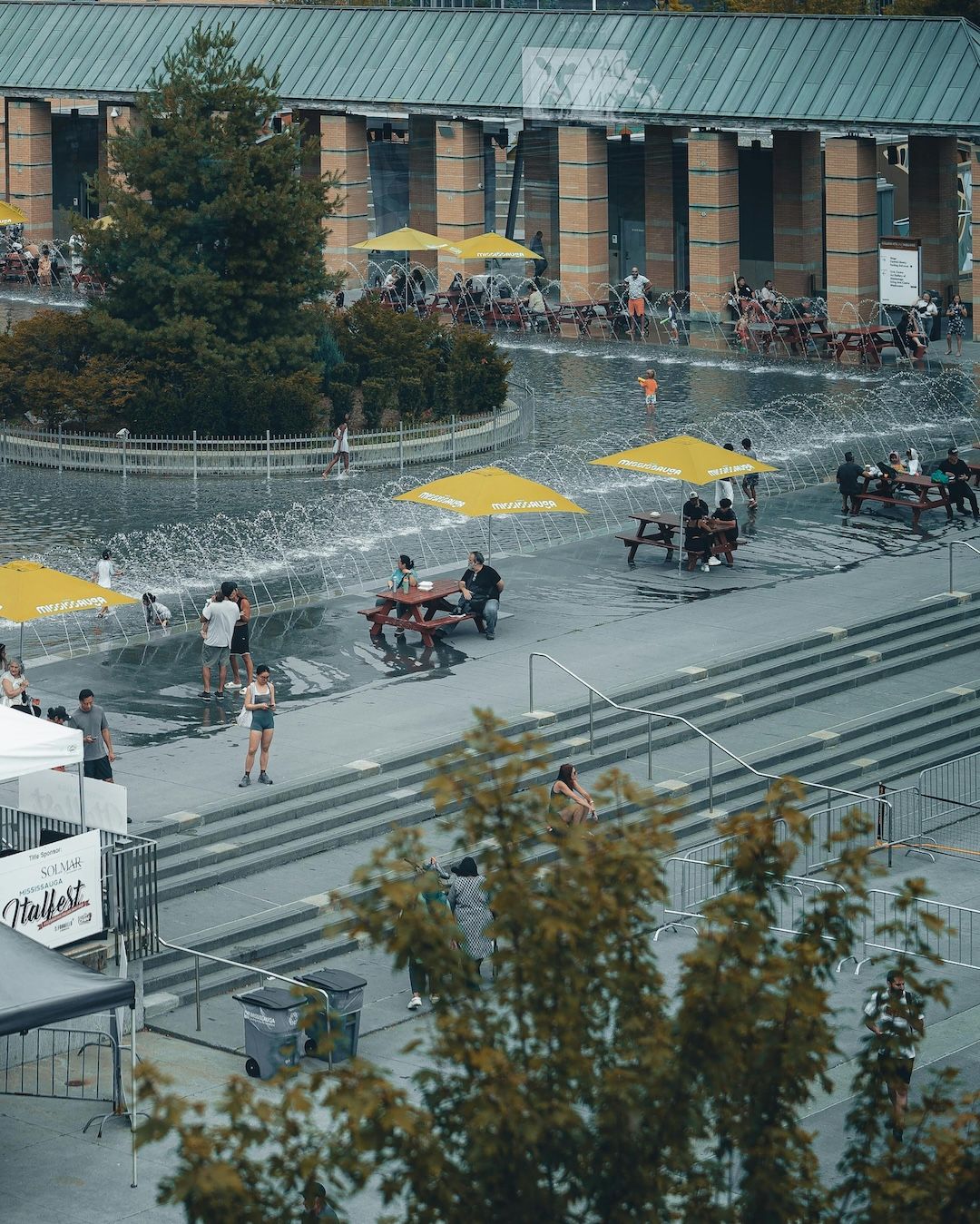
Mississauga, Ontario

SolveSAUGA

SolveSAUGA carries the same reporting layer across the city line, under its own name and its own front door, so a resident here never has to learn a second system for the same kind of problem.

Visit SolveSAUGA

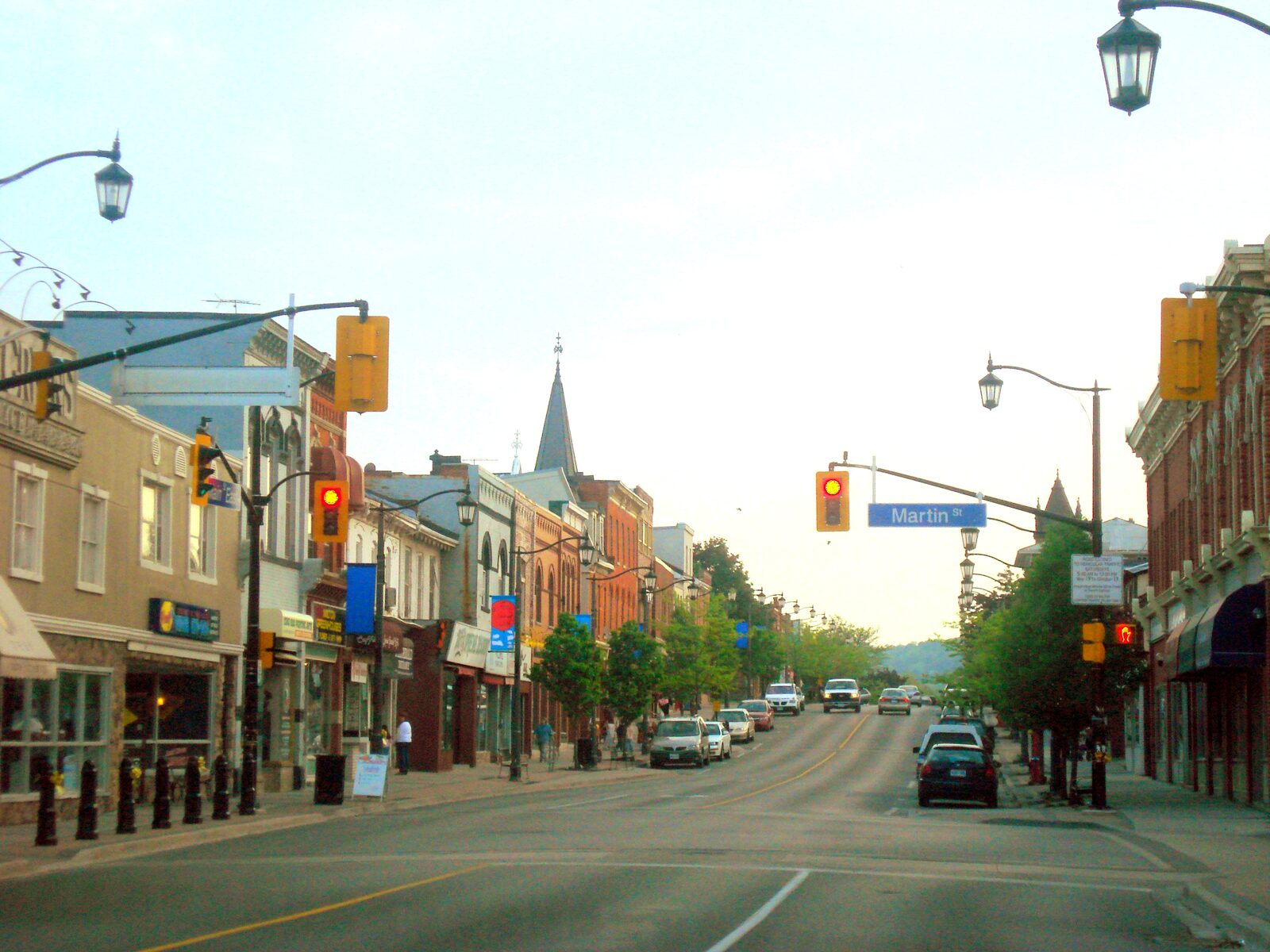
Kitchener, Ontario

SolveKITCHENER

SolveKITCHENER reaches a city with its own council, its own crews, and its own list of things that need fixing, running on the same platform as every other city on this map.

Visit SolveKITCHENER

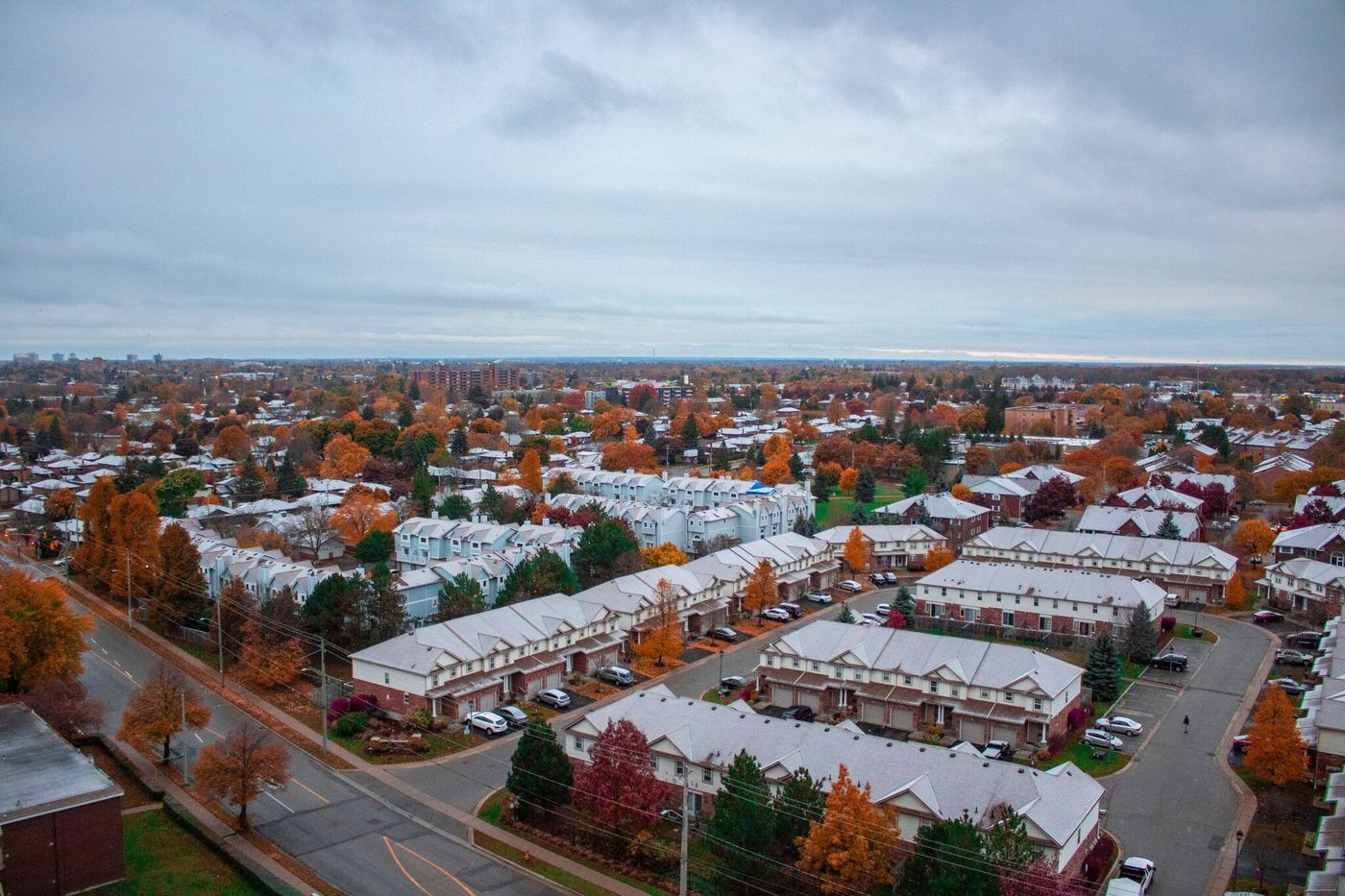
Peterborough, Ontario

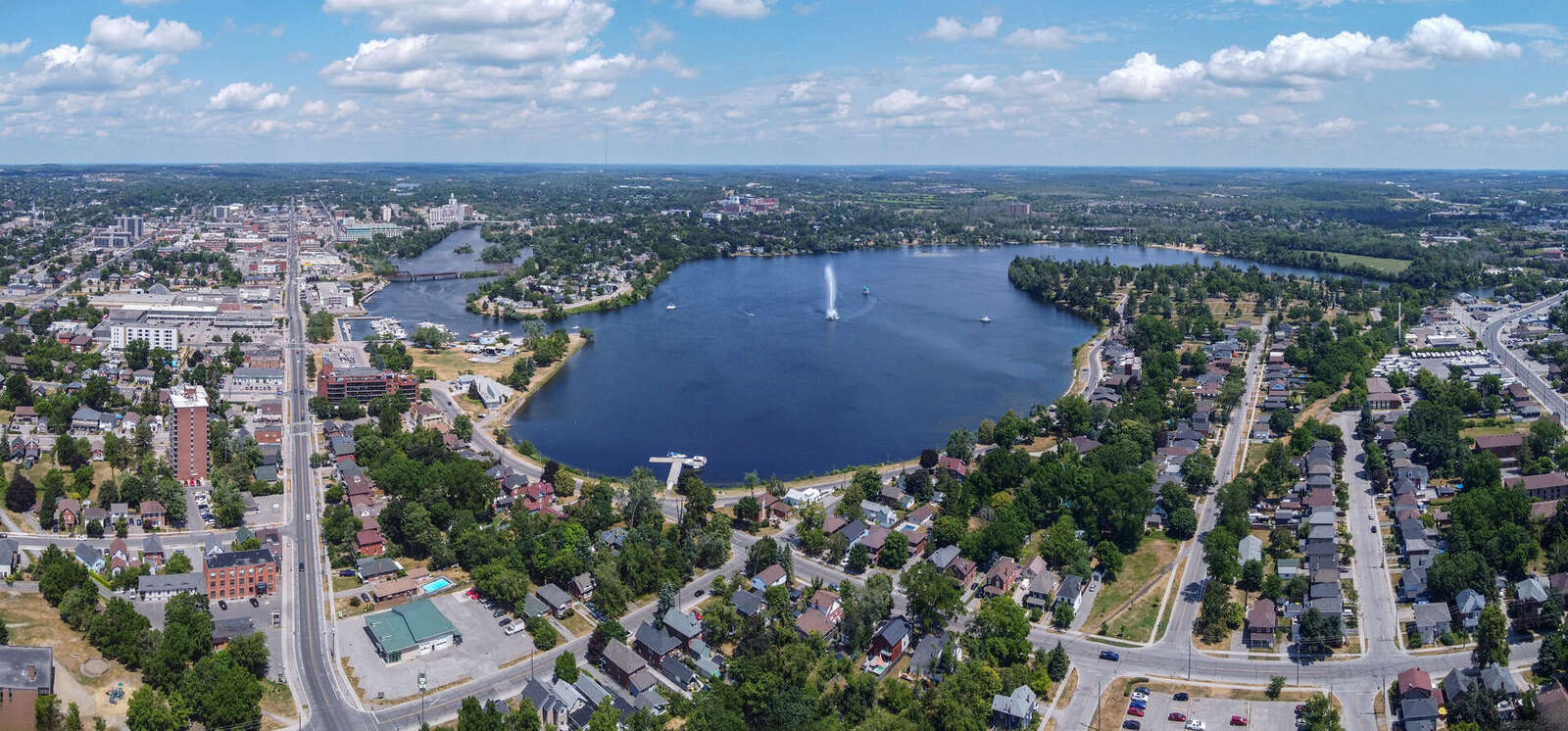
SolvePTBO

SolvePTBO exists because a Peterborough resident asked for it. The city has no 311 line, just a form that takes hunting to find, and residents who already notice everything their streets need. Snap a photo and the report reaches the right inbox at City Hall with the evidence attached.

Visit SolvePTBO

Who this is for

Everyone who touches the street

One civic loop. Three kinds of responsibility.

Residents

You should not need to identify a department before you can point out what is broken. Start with the street, a photo, and what you saw. Hear back when the work is done.

Municipal teams

This runs alongside your local reporting program, not instead of it. Residents get a clearer front door. You get reports that arrive with context, not another form to rebuild. The same familiar layer works from city to city across Canada.

Business owners

A storefront, a plaza, a parking lot. Problems that touch your property should have a clear path — to the city, to the owner, to whoever can act on them.

The vision

A resident should cross any city line in Canada and already know what to do.

The future is not one national brand replacing local public services. It is one familiar civic experience that lets every city remain recognizably its own, from the first report to the update that comes back.

Seven cities show that the experience can travel without erasing local identity. The work now is to make that familiarity ordinary across the country.

7 cities live
1 civic layer
2.6M+ infrastructure pieces mapped

The story

I built the front door I wanted as a resident.

Ahmed Nadar
Ahmed Nadar

Living in Toronto, I kept hitting the same frustration. I would drive over a pothole and think: why is there no way to tell the city about this in a few seconds?

That question built SolveTO, and SolveTO built everything else. Mississauga asked for the same thing next. Then Milton, Kitchener, and Waterloo. The platform never had to be rebuilt to answer any of them. The first report went out on February 17, 2026. Seven cities followed.

I still read the reports that need a human before they reach a city desk. Everything else runs the way I wanted 311 to run the first time I called it.

Read the open letter I wrote to the first four months of reporters

The next city gets added the same way the last six did: one resident asks. That could be yours.

More about Ahmed

Questions

The useful details should be easy to find.

What is Solve Canada?

Solve Canada is the shared platform behind a growing set of Canadian city reporting tools. Residents use a local name and front door. The experience underneath stays the same from one city to the next.

Which cities are live?

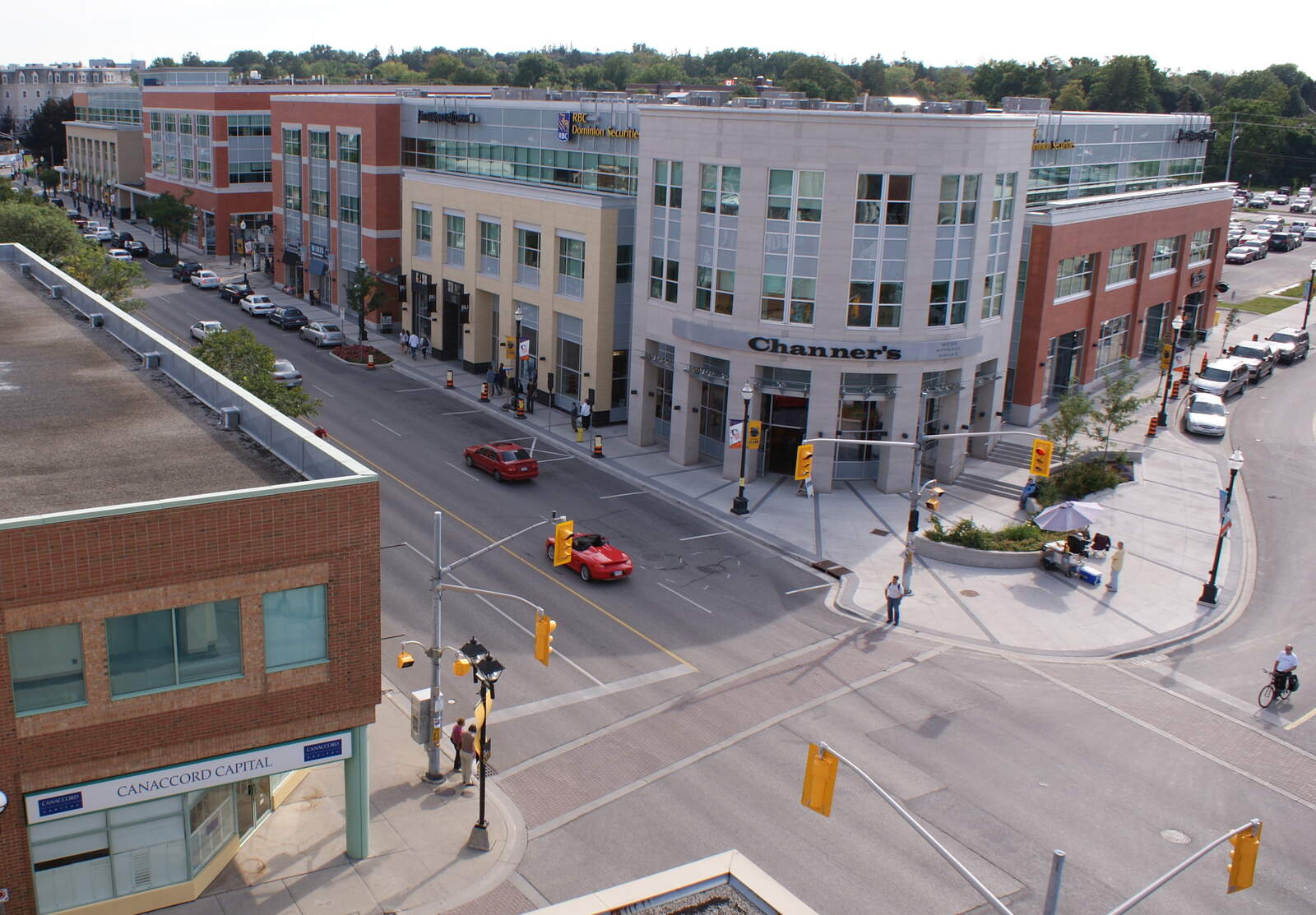
Toronto, Mississauga, Milton, Kitchener, Waterloo, Ottawa, and Peterborough are live today through SolveTO, SolveSAUGA, SolveMILTON, SolveKITCHENER, SolveWATERLOO, SolveOTTAWA, and SolvePTBO.

Does this replace 311?

No. Solve Canada runs alongside each city's existing 311 or resident-contact service. The same municipal teams and crews remain responsible for the work.

What can a resident report?

Potholes, graffiti, broken streetlights, damaged sidewalks, and other everyday street problems that belong to a city or another infrastructure owner.

What happens after a report?

The report reaches the organization responsible for the issue and the local councillor. Residents get a reference number and, where city updates are available, hear back as the work moves.

A distant horizon with open sky above layered landscape

Talk to Solve Canada

Whether you work for a municipality, care for public infrastructure, or want a clearer reporting experience where you live, tell me what needs to work better.

WhereToronto, Ontario